
Tag Archive for: Sleep Apnea Treatment

Better Sleep = Better Blood Pressure: The Sleep–Heart Health Connection

Better Sleep = Better Blood Pressure

Heart Health Month at Comprehensive Sleep Care Center

When we think about heart health, diet and exercise usually come to mind—but sleep is just as important. During Heart Health Month, it’s the perfect time to talk about how quality sleep plays a critical role in maintaining healthy blood pressure and reducing the risk of heart disease.

If you’re struggling with high blood pressure, snoring, or daytime fatigue, your sleep may be part of the problem—and the solution.


How Poor Sleep Affects Blood Pressure

Healthy sleep allows your heart and blood vessels to rest. During normal sleep, blood pressure naturally dips. But when sleep is disrupted—especially by conditions like sleep apnea—that process is interrupted.

Untreated sleep apnea can cause:

  • Repeated drops in oxygen levels

  • Increased stress hormones

  • Frequent nighttime awakenings

  • Persistent elevation in blood pressure

Over time, this can increase the risk of:

  • Hypertension (high blood pressure)

  • Heart attack

  • Stroke

  • Irregular heart rhythms

In fact, sleep apnea is one of the most common underlying causes of resistant high blood pressure.


Sleep Apnea and Heart Health: The Connection

Sleep apnea causes breathing to stop and start repeatedly throughout the night. Each pause forces the heart to work harder, placing strain on the cardiovascular system.

Many people with sleep apnea don’t realize they have it—common signs include:

  • Loud snoring

  • Gasping or choking during sleep

  • Morning headaches

  • Daytime fatigue

  • Difficulty controlling blood pressure

The good news? Treating sleep apnea can significantly improve blood pressure and overall heart health.


Effective Treatments That Support Heart Health

CPAP Therapy

Continuous Positive Airway Pressure (CPAP) is the gold standard treatment for moderate to severe sleep apnea.

Benefits of CPAP include:

  • Keeps the airway open during sleep

  • Improves oxygen levels

  • Helps lower blood pressure

  • Reduces strain on the heart

  • Improves sleep quality and energy levels

Many patients experience noticeable improvements in blood pressure within weeks of consistent CPAP use.


Oral Appliance Therapy

For patients with mild to moderate sleep apnea—or those who cannot tolerate CPAP—Oral Appliance Therapy is an effective alternative.

These custom-made devices:

  • Reposition the jaw to keep the airway open

  • Reduce snoring and breathing interruptions

  • Improve sleep quality

  • Support healthier blood pressure levels

Oral appliances are comfortable, portable, and easy to use—making them a popular option for many patients. In addition, Oral Appliance Therapy is covered by most insurances when seen by our in-house sleep medicine dentists.


Why Treating Sleep Is a Heart-Healthy Decision

Managing blood pressure isn’t just about medication. Treating the root cause—poor sleep—can lead to better long-term outcomes and may even reduce the need for multiple blood pressure medications.

Better sleep can lead to:

  • Improved blood pressure control

  • Reduced cardiovascular risk

  • Better focus and mood

  • Increased energy and quality of life


Take Care of Your Heart—Starting Tonight

This Heart Health Month, consider how your sleep may be affecting your heart. If you snore, feel tired during the day, or struggle with high blood pressure, a sleep evaluation could be an important next step.

At Comprehensive Sleep Care Center, our sleep specialists offer personalized care and proven treatments—including CPAP and Oral Appliance Therapy—to help you sleep better and protect your heart.

👉 Better Sleep = Better Blood Pressure. Better Health Starts Here.

Comprehensive Sleep Care Center is proud to serve patients at the following locations:
Sleep Apnea and Heart Disease: What You Need to Know

Sleep Apnea and Heart Disease: What You Need to Know

Heart Health Month is the perfect time to talk about an often-overlooked connection: sleep apnea and cardiovascular disease. Many people know that sleep is important for overall wellness, but fewer realize just how strongly untreated sleep apnea can impact heart health.

At Comprehensive Sleep Care Center, we help patients understand these risks and provide expert diagnosis and treatment to protect both sleep and heart health.


What Is Sleep Apnea?

Sleep apnea is a serious sleep disorder in which breathing repeatedly stops and starts during sleep. These pauses in breathing reduce oxygen levels and force the body to work harder throughout the night. Over time, this stress can significantly affect the heart and blood vessels.

The most common type is obstructive sleep apnea (OSA), caused by airway collapse during sleep. Many people with sleep apnea are unaware they have it.

Common symptoms include:

  • Loud snoring
  • Gasping or choking during sleep
  • Excessive daytime sleepiness
  • Morning headaches
  • Difficulty concentrating

How Sleep Apnea Affects Heart Health

Untreated sleep apnea places repeated strain on the cardiovascular system. Each breathing pause triggers a surge in stress hormones, increases blood pressure, and lowers oxygen levels — all of which raise the risk of serious heart conditions.

High Blood Pressure (Hypertension)

Sleep apnea is a leading cause of secondary hypertension. The repeated drops in oxygen during sleep cause blood pressure to rise and remain elevated, even during the day. Patients with sleep apnea often struggle with blood pressure that is difficult to control despite medication.

Treating sleep apnea can significantly improve blood pressure control and reduce long-term cardiovascular risk.


Stroke Risk

Sleep apnea is strongly linked to an increased risk of stroke. Poor oxygen delivery to the brain, combined with high blood pressure and inflammation, can damage blood vessels over time. Studies show that untreated sleep apnea increases both the likelihood of having a stroke and the risk of poor recovery afterward.

Early diagnosis and treatment can help lower this risk and support better brain and vascular health.


Atrial Fibrillation (AFib)

Atrial fibrillation (AFib) is a common heart rhythm disorder that can lead to blood clots, stroke, and heart failure. Sleep apnea increases the risk of developing AFib and makes it more difficult to manage.

Patients with untreated sleep apnea are more likely to experience:

  • Recurring AFib episodes
  • Poor response to medications
  • Higher rates of AFib recurrence after procedures

Treating sleep apnea can improve AFib outcomes and reduce cardiovascular complications.


Why Sleep Apnea Often Goes Undiagnosed

Many patients assume snoring or fatigue is normal, while others may not connect sleep problems with heart symptoms. Because sleep apnea develops gradually, it often goes undetected for years — allowing cardiovascular damage to progress silently.

If you have heart disease, high blood pressure, a history of stroke, or AFib, a sleep evaluation is especially important.


Diagnosing Sleep Apnea at Comprehensive Sleep Care Center

At Comprehensive Sleep Care Center, we offer comprehensive sleep apnea testing options, including:

  • In-lab sleep studies
  • At-home sleep apnea testing (when appropriate)

Our board-certified sleep specialists carefully evaluate each patient to determine the most accurate diagnosis and personalized treatment plan.


Sleep Apnea Treatment Options

Effective treatment of sleep apnea not only improves sleep quality — it can also significantly reduce cardiovascular risks.

Common treatment options include:

Positive Airway Pressure (PAP) Therapy

PAP therapy remains the gold standard for treating moderate to severe sleep apnea. It keeps the airway open throughout the night, improving oxygen levels and reducing strain on the heart.

Oral Appliance Therapy

For some patients with mild to moderate sleep apnea, custom oral appliances can help reposition the jaw to keep the airway open.

Lifestyle and Medical Management

Weight management, positional therapy, and addressing nasal or airway issues may also play a role in treatment.

Our team works closely with patients and referring cardiologists to ensure coordinated care.


Protect Your Heart by Prioritizing Sleep

This Heart Health Month, take a closer look at how well you’re sleeping. If you or a loved one has symptoms of sleep apnea — especially alongside heart disease, high blood pressure, stroke, or AFib — evaluation and treatment could be life-changing.

Better sleep supports a healthier heart.


Schedule a Sleep Evaluation

If you’re concerned about sleep apnea and heart health, contact Comprehensive Sleep Care Center today to schedule a consultation with our experienced sleep specialists.

Comprehensive Sleep Care Center is proud to serve patients at the following locations:

Is Snoring Normal—or a Sign of a Bigger Problem?

Is Snoring Normal—or a Sign of a Bigger Problem?

Snoring is common, but that doesn’t always mean it’s harmless. While occasional snoring may simply be a nuisance, chronic or loud snoring can be a warning sign of a serious medical condition—obstructive sleep apnea (OSA). Understanding the difference is key to protecting your long-term health.


What Causes Snoring?

Snoring occurs when airflow is partially blocked during sleep, causing tissues in the throat to vibrate. Common causes include:

  • Nasal congestion or sinus issues

  • Sleeping on your back

  • Excess weight

  • Alcohol consumption before bed

  • Relaxed throat muscles during sleep

For some people, snoring is occasional and mild. For others, it may signal something more concerning.


Snoring vs. Sleep Apnea: What’s the Difference?

Not all snoring equals sleep apnea—but nearly all people with sleep apnea snore.

Snoring alone may be harmless, but sleep apnea involves repeated pauses in breathing throughout the night. These pauses reduce oxygen levels and force the body to wake briefly—often without the person realizing it.

Signs snoring may be sleep apnea include:

  • Loud, chronic snoring

  • Gasping or choking during sleep

  • Daytime fatigue or sleepiness

  • Morning headaches

  • Difficulty concentrating

  • High blood pressure or heart disease

Untreated sleep apnea is linked to heart disease, stroke, diabetes, and increased accident risk, making early diagnosis critical.


When Should You See a Sleep Specialist?

You should speak with a sleep medicine provider if:

  • Your snoring is loud and persistent

  • Your bed partner reports breathing pauses

  • You feel exhausted despite a full night’s sleep

  • You wake up gasping for air

A sleep evaluation can determine whether snoring is benign or a sign of sleep apnea.


Effective Treatments for Snoring and Sleep Apnea

At Comprehensive Sleep Care Center, treatment is personalized based on the severity of your condition and your comfort needs.

CPAP Therapy

CPAP (Continuous Positive Airway Pressure) is the gold standard treatment for moderate to severe sleep apnea. It keeps the airway open using gentle air pressure, eliminating apneas and significantly improving sleep quality and overall health.

Oral Appliance Therapy

For patients with mild to moderate sleep apnea or primary snoring, Oral Appliance Therapy offers an effective, mask-free CPAP alternative. These custom-made medical devices gently reposition the jaw to keep the airway open and are often covered by medical insurance when seen by our in-house dentists.


Don’t Ignore Snoring—It Could Be Your Body Asking for Help

Snoring may seem harmless, but when it’s chronic or disruptive, it’s worth investigating. The good news is that sleep apnea is highly treatable, and the right therapy can dramatically improve your sleep, energy, and long-term health.


Schedule a Sleep Evaluation Today

If you or a loved one snores loudly or struggles with daytime fatigue, Comprehensive Sleep Care Center is here to help. Our board-certified sleep specialists offer advanced diagnostic testing and personalized treatment options, including CPAP and Oral Appliance Therapy.

Comprehensive Sleep Care Center is proud to serve patients at the following locations:

Better sleep starts with the right diagnosis.

New Year, New CPAP (or CPAP Alternative): Better Sleep Starts Now

New Year, New Sleep Goals

The New Year is the perfect time to reset habits, focus on health, and finally prioritize better sleep. For millions of people with obstructive sleep apnea (OSA), that often means starting—or restarting—treatment.

While CPAP therapy remains the gold standard for sleep apnea treatment, many patients struggle with CPAP intolerance due to mask discomfort, claustrophobia, noise, dryness, or difficulty sleeping through the night. If CPAP hasn’t worked for you, the good news is this: you still have effective options.

At Comprehensive Sleep Care Center, we specialize in personalized sleep apnea solutions—including CPAP alternatives that may fit your lifestyle better.


Why CPAP Intolerance Is So Common

CPAP therapy works by keeping your airway open with continuous air pressure, but success depends on consistent nightly use. Common reasons patients struggle include:

  • Mask discomfort or air leaks

  • Feeling confined or claustrophobic

  • Dry mouth or nasal irritation

  • Difficulty sleeping on your side

  • Noise sensitivity

  • Travel challenges

If any of this sounds familiar, you are not alone—and you do not have to give up on treatment altogether.

CPAP Alternatives That Work

Oral Appliance Therapy: A No-Mask CPAP Alternative

Oral Appliance Therapy is a popular CPAP alternative for patients with mild to moderate obstructive sleep apnea or chronic snoring.

These custom-fitted devices are worn like a mouthguard and work by gently repositioning the jaw to keep the airway open during sleep.

Benefits of Oral Appliance Therapy include:

  • No mask or tubing

  • Quiet and portable

  • Easy to travel with

  • Comfortable and discreet

  • Often covered by medical insurance when seen by our in house sleep dentists

At Comprehensive Sleep Care Center, our in-house Sleep Medicine Dentists design and monitor oral appliances to ensure effectiveness and long-term comfort.


Inspire Sleep Therapy: Mask-Free, Innovative Treatment

For patients with moderate to severe sleep apnea who cannot tolerate CPAP, Inspire Sleep Therapy may be life-changing.

Inspire is an FDA-approved implantable device that works with your natural breathing. It gently stimulates airway muscles to prevent collapse during sleep—without a mask or CPAP machine.

Key benefits of Inspire Sleep Therapy:

  • No mask, hose, or airflow

  • Controlled with a small handheld remote

  • Designed for nightly use

  • Clinically proven to reduce sleep apnea events

  • Improves sleep quality and daytime energy

Our sleep specialists evaluate each patient to determine if they meet Inspire eligibility criteria and guide them through every step of the process.


Why Treating Sleep Apnea Matters

Untreated sleep apnea doesn’t just affect your sleep—it impacts your entire health. Proper treatment can help reduce the risk of:

  • High blood pressure

  • Heart disease and stroke

  • Type 2 diabetes

  • Weight gain

  • Daytime fatigue and brain fog

  • Mood changes and poor concentration

Whether through CPAP or a CPAP alternative, treating sleep apnea can dramatically improve energy, focus, and quality of life.


Your Sleep. Your Treatment. Your New Year.

The New Year is about progress—not perfection. If CPAP hasn’t worked for you, that doesn’t mean you’ve failed. It means you may need a different solution.

At Comprehensive Sleep Care Center, our board-certified sleep specialists take a personalized approach to sleep apnea treatment. We offer:

  • In-lab and home sleep studies

  • CPAP therapy support

  • Oral Appliance Therapy

  • Inspire Sleep Therapy

  • Ongoing care and follow-up


Start the New Year with Better Sleep

If you’re struggling with CPAP intolerance or looking for effective CPAP alternatives, we’re here to help.

Schedule a consultation with Comprehensive Sleep Care Center today and discover a sleep apnea treatment that works for you—so you can finally wake up rested in the New Year.

Comprehensive Sleep Care Center is proud to serve patients at the following locations:


Better Sleep, Better Health in 2026

Better Sleep, Better Health in 2026

As we welcome 2026, many people focus on resolutions like eating healthier, exercising more, or managing stress. But one of the most powerful—and often overlooked—keys to better health is better sleep.

Quality sleep is not a luxury. It is essential to your physical health, mental well-being, and overall quality of life. At Comprehensive Sleep Care Center, we encourage patients to make sleep a priority in the New Year—for better days and healthier years ahead.


Why Sleep Matters More Than Ever

Sleep plays a critical role in nearly every system in your body. When sleep is poor or disrupted, it can increase your risk for:

  • Heart disease and high blood pressure

  • Diabetes and weight gain

  • Memory problems and difficulty concentrating

  • Mood changes, anxiety, and depression

  • Fatigue and reduced daytime performance

If you’re waking up tired, snoring loudly, struggling to stay awake during the day, or feeling unrefreshed even after a full night’s sleep, you may be experiencing an undiagnosed sleep disorder.


Common Sleep Disorders That Affect Your Health

Many people live with sleep disorders without realizing it. Some of the most common include:

Sleep Apnea

A serious condition where breathing repeatedly stops during sleep. Untreated sleep apnea increases the risk of heart attack, stroke, and arrhythmias.

Insomnia

Difficulty falling or staying asleep, leading to chronic fatigue and reduced quality of life.

Restless Legs Syndrome & Other Sleep Disorders

Conditions that disrupt sleep quality and prevent restorative rest.

The good news? These conditions are highly treatable with proper diagnosis and care.


New Year, New Sleep Goals

The start of a new year is the perfect time to focus on improving your sleep habits and addressing ongoing sleep concerns. Simple steps can make a big difference:

  • Stick to a consistent sleep schedule

  • Create a calm, screen-free bedtime routine

  • Avoid caffeine and alcohol close to bedtime

  • Seek professional help if sleep problems persist

If lifestyle changes aren’t enough, a sleep evaluation may be the next step.

How Comprehensive Sleep Care Center Can Help

At Comprehensive Sleep Care Center, we specialize in diagnosing and treating sleep disorders with personalized care. Our services include:

  • In-lab and at-home sleep studies

  • CPAP therapy for sleep apnea

  • Oral Appliance Therapy for patients seeking a CPAP alternative

  • Ongoing support to ensure long-term success and better sleep outcomes

Our experienced team works closely with you to develop a treatment plan that fits your needs, lifestyle, and health goals.

Make Better Sleep Your Resolution for 2026

Better sleep leads to better energy, better focus, better heart health, and better overall wellness. As you plan for a healthier 2026, don’t underestimate the power of a good night’s sleep.

If you or a loved one are experiencing sleep issues, now is the time to take action.

Start the New Year with better sleep—and a healthier you.

👉 Schedule a sleep consultation Here with Comprehensive Sleep Care Center today.

Comprehensive Sleep Care Center is proud to serve patients at the following locations:

The Hidden Dangers of Not Getting Enough Quality Sleep

The Hidden Dangers of Not Getting Enough Quality Sleep

We’ve all had nights where sleep takes a back seat — whether due to work, stress, or lifestyle habits. While an occasional sleepless night may seem harmless, consistently missing out on quality sleep can have serious consequences for your physical health, mental wellbeing, and long-term safety.

At Comprehensive Sleep Care Center, we see firsthand how inadequate sleep impacts lives. Here’s what you need to know about the dangers of not getting enough quality sleep — and why prioritizing healthy sleep should be non-negotiable.

  1. Increased Risk of Chronic Health Conditions

Sleep is essential for maintaining healthy bodily systems. When sleep is disrupted or insufficient, your risk of developing serious medical conditions increases significantly:

  • Heart Disease & High Blood Pressure – Poor sleep increases inflammation and stress on the cardiovascular system.
  • Type 2 Diabetes – Lack of sleep affects how your body regulates glucose.
  • Obesity – Sleep deprivation disrupts hunger hormones, making you crave high-calorie foods.
  • Weakened Immune System – Sleep helps your body fight off illness and repair itself.
  1. Impaired Brain Function and Emotional Health

Your brain relies on sleep to reset and process information. Without it:

  • Memory and Focus Decline – Even one night of poor sleep can affect your ability to concentrate and retain information.
  • Mood Disorders – Chronic sleep loss is closely linked to anxiety, depression, and irritability.
  • Slower Reaction Times – Studies show sleep deprivation can be as impairing as alcohol—especially dangerous when driving or operating machinery.
  1. Decreased Productivity and Quality of Life

If you feel “tired but wired,” you’re not alone. Many adults operate in a constant state of exhaustion, leading to:

  • Reduced motivation and creativity
  • Poor decision-making and increased errors
  • Strained relationships due to mood instability

Quality sleep isn’t a luxury — it’s essential to your performance and wellbeing.

  1. Safety Risks You Can’t Ignore

Drowsy driving is responsible for thousands of accidents each year. The CDC reports that being awake for 18 hours straight affects your brain similar to having a blood alcohol content of 0.05%. After 24 hours? You’re essentially operating at a 0.10% BAC — legally drunk.

How to Take Back Control of Your Sleep

If you struggle with sleep issues such as snoring, insomnia, sleep apnea, or restless nights, it may be more than just lifestyle — it could be a medical condition.

  • Don’t ignore the signs.
  • Schedule a sleep evaluation.
  • Let our specialists help you restore healthy sleep.

At Comprehensive Sleep Care Center, we offer Home Sleep Apnea Testing, PAP Therapy, Oral Appliance Therapy, and Insomnia Programs to help you sleep better — and live better.

Prioritize your sleep today. Your health tomorrow depends on it.

Contact us to schedule an appointment: www.comprehensivesleepcare.com

Comprehensive Sleep Care Center is proud to serve patients at the following locations:

#SleepHealth #SleepAwareness #SleepApnea #InsomniaHelp #BetterSleepBetterLife #DrowsyDriving #HealthAndWellness #ComprehensiveSleepCareCenter #QualitySleepMatters #SleepBetterLiveBetter

CPAP vs. BiPAP: What’s the Difference and Which Is Right for You?

CPAP vs. BiPAP: What’s the Difference and Which Is Right for You?

If you or a loved one has been diagnosed with obstructive sleep apnea (OSA), your healthcare provider may recommend Positive Airway Pressure (PAP) therapy. Two of the most common PAP devices are CPAP (Continuous Positive Airway Pressure) and BiPAP (Bilevel Positive Airway Pressure). But what’s the difference between the two? And how do you know which one is best for you?

At Comprehensive Sleep Care Center, we’re here to help you understand your options and guide you toward the most effective sleep apnea treatment.

What Is CPAP?

CPAP therapy delivers a continuous, steady stream of pressurized air through a mask to keep your airways open while you sleep. It is the most commonly prescribed therapy for moderate to severe obstructive sleep apnea.

Benefits of CPAP:

  • Proven effectiveness for OSA
  • Reduces snoring and daytime fatigue
  • Enhances oxygen levels during sleep
  • Lowers risk of heart disease, stroke, and other complications
  • Widely available and supported

Best for: Patients with uncomplicated obstructive sleep apnea who can tolerate a consistent pressure.

What Is BiPAP?

BiPAP therapy, also known as BPAP, uses two pressure levels: a higher pressure when you inhale (IPAP) and a lower pressure when you exhale (EPAP). This makes it easier to breathe out, especially for those who struggle with exhaling against a fixed pressure.

Benefits of BiPAP:

  • More comfortable for patients who require higher pressure settings
  • Helpful for patients with central sleep apnea, complex sleep apnea, or chronic respiratory conditions like COPD
  • May improve adherence for those who find CPAP uncomfortable

Best for: Patients with complex or central sleep apnea, obesity hypoventilation syndrome, or those who cannot tolerate CPAP.

How to Choose Between CPAP and BiPAP

Choosing the right device depends on your diagnosis, comfort level, and doctor’s recommendation. At Comprehensive Sleep Care Center, our sleep specialists and respiratory therapists work with you to determine the most appropriate and effective therapy for your individual needs.

Get Help with Your Sleep Apnea Today

If you’ve been prescribed CPAP or BiPAP—or you’re not sure which is right for you—we’re here to help. Our team offers expert evaluation, machine fittings, education, and ongoing support to ensure your therapy is effective and comfortable.

Contact us today to schedule your consultation or call us at (703) 729-3420 to speak with a sleep specialist.

Don’t wait to get the sleep you deserve. Trust the experts at Comprehensive Sleep Care Center to guide you every step of the way.

Comprehensive Sleep Care Center is proud to serve patients at the following locations:

Tips to Adjust to Your CPAP: A Guide to Better Sleep

Tips to Adjust to Your CPAP: A Guide to Better Sleep

If you’ve recently been diagnosed with sleep apnea, using a CPAP (Continuous Positive Airway Pressure) machine may be a new part of your nightly routine. While CPAP therapy is one of the most effective treatments for obstructive sleep apnea (OSA), adjusting to it can take time and patience. Here are some tips to help you adjust to your CPAP and get better quality sleep.

At Comprehensive Sleep Care Center, we understand that comfort and consistency are key to CPAP success. Here are our top tips to help you transition more smoothly and get the restorative sleep you deserve.

  1. Start Slowly and Build a Routine

It’s okay to ease into using your CPAP. Try wearing the mask for short periods during the day while watching TV or reading. This helps you get used to the sensation of wearing the mask before using it overnight.

Tip: Consistency is everything. Use your CPAP every night—even during naps. This helps your body adapt faster and improves your long-term sleep quality.

  1. Choose the Right Mask Style and Fit

There are different types of CPAP masks—nasal pillows, nasal masks, and full-face masks. Finding the best fit for your face shape and breathing style makes a world of difference in your comfort level.

Pro Tip: If your mask feels uncomfortable or leaks air, consult with your sleep specialist. At Comprehensive Sleep Care Center, we provide personalized mask fittings to ensure the best fit.

  1. Use a Humidifier to Reduce Dryness

Many CPAP machines come with built-in or attachable heated humidifiers, which can prevent nasal dryness, congestion, and sore throats. This is especially important if you live in a dry climate or experience seasonal allergies.

  1. Clean Your CPAP Equipment Regularly

Cleaning your mask, tubing, and water chamber daily or weekly helps prevent bacteria build-up, which can cause respiratory issues and unpleasant odors. Always follow your manufacturer’s instructions.

  1. Address Discomfort and Side Effects Early

It’s normal to experience some mild side effects such as bloating, dry mouth, or mild skin irritation when first starting CPAP therapy. These issues are usually fixable:

  • Try adjusting the mask straps for a better seal.
  • Switch to a different style of mask.
  • Ask your provider about pressure adjustments if the airflow feels too strong or weak.
  1. Track Your Progress with a CPAP App

Most modern CPAP machines sync with apps that monitor your nightly usage, mask fit, and apnea events. These apps can motivate you and help your sleep team adjust settings for better results.

  1. Work with Your Sleep Team

You don’t have to do this alone. Our team at Comprehensive Sleep Care Center offers ongoing support, mask fittings, and follow-up care to ensure you get the best results from your therapy.

  1. Stay Positive and Patient

Adjusting to CPAP can take several weeks. Stay committed, and remember why you started: better sleep, improved health, and more energy during the day.

Let Us Help You Sleep Better

At Comprehensive Sleep Care Center, we’re here to support you on every step of your sleep journey. Whether you’re a new CPAP user or struggling with therapy, our compassionate sleep experts are just a phone call away.

Contact us today to schedule a consultation or CPAP fitting appointment.

Comprehensive Sleep Care Center is proud to serve patients at the following locations:

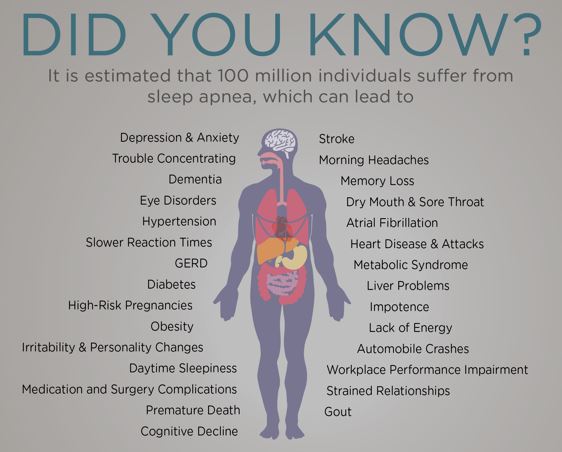
10 Serious Health Risks of Untreated Obstructive Sleep Apnea

10 Serious Health Risks of Untreated Obstructive Sleep Apnea

Obstructive Sleep Apnea (OSA) is more than just loud snoring—it’s a serious medical condition that affects millions of people. If left untreated, OSA can lead to life-threatening health problems. At Comprehensive Sleep Care Center, we specialize in diagnosing and treating sleep apnea to help you achieve better sleep and overall health. Here are the top 10 dangers of untreated obstructive sleep apnea:

  1. High Blood Pressure (Hypertension)

The repeated drops in oxygen levels during sleep force your heart to work harder, increasing your risk of high blood pressure. If you already have hypertension, sleep apnea can make it worse and harder to control.

  1. Heart Disease

OSA strains the cardiovascular system, leading to a higher risk of heart attacks, irregular heartbeats (arrhythmias), and even heart failure. Proper treatment can significantly reduce this risk.

  1. Stroke

People with untreated sleep apnea are at a much higher risk of suffering a stroke due to poor oxygen circulation and increased blood pressure.

  1. Type 2 Diabetes

Sleep apnea disrupts your body’s ability to regulate blood sugar, increasing the likelihood of insulin resistance and diabetes.

  1. Daytime Fatigue and Sleepiness

Frequent awakenings throughout the night lead to excessive daytime drowsiness, affecting your ability to concentrate, work efficiently, and stay alert while driving.

  1. Increased Risk of Car Accidents

Due to impaired cognitive function and drowsiness, individuals with untreated sleep apnea are more likely to be involved in motor vehicle accidents.

  1. Weakened Immune System

Poor sleep quality weakens the immune system, making you more susceptible to illnesses and infections.

  1. Depression and Anxiety

Sleep deprivation caused by OSA is linked to mood disorders such as depression and anxiety, impacting mental health and emotional well-being.

  1. Memory and Cognitive Decline

Chronic oxygen deprivation and disrupted sleep cycles can lead to problems with memory, concentration, and even an increased risk of developing dementia.

  1. Shortened Lifespan

Untreated OSA significantly increases the risk of life-threatening conditions, ultimately leading to a reduced life expectancy.


Dangers of OSA


Take Control of Your Sleep Health

The good news? Obstructive sleep apnea is treatable! At Comprehensive Sleep Care Center, our expert team offers customized treatment options, including CPAP therapy, Oral Appliance Therapy, and lifestyle recommendations to improve your sleep and overall health.

💙 Don’t ignore the risks—take action today! Schedule a consultation with our sleep specialists and start your journey to better health.

📞 Call us or visit www.comprehensivesleepcare.com to book your appointment today!

#SleepApnea #SleepHealth #StopTheSnore #HeartHealth #DiabetesPrevention #ComprehensiveSleepCare #MilitaryLife #BetterSleepBetterHealth


I Hate My CPAP – Are There Other Options for Sleep Apnea Treatment?

I Hate My CPAP – Are There Other Options?

If you’ve been diagnosed with sleep apnea, your doctor may have prescribed a CPAP (Continuous Positive Airway Pressure) machine to keep your airway open during sleep. But what if you hate using it? You’re not alone—many people struggle with CPAP due to discomfort, air pressure issues, or mask leaks. The good news? There are alternative treatments that may be more comfortable and just as effective. Let’s explore your options.

Try a Different CPAP Mask or Adjust Your Pressure Settings

Before ditching your CPAP altogether, it’s worth troubleshooting common issues:

  • Mask type matters: If your mask is uncomfortable, switching to a different style—such as nasal pillows, nasal masks, or full-face masks—may improve your experience.
  • Adjusting air pressure: Some people find CPAP air pressure too high or too low. Your doctor can fine-tune the settings or try an auto-adjusting CPAP (APAP) for a more natural breathing experience.

Consider BiPAP Therapy – A More Comfortable Alternative

For those who struggle with CPAP due to pressure discomfort, BiPAP (Bilevel Positive Airway Pressure) might be a better fit. Unlike CPAP, which delivers a constant pressure, BiPAP provides:

  • Lower pressure when you exhale for easier breathing
  • Higher pressure when you inhale to keep your airway open
  • More comfort for people with central sleep apnea or pressure intolerance

Oral Appliance Therapy – A CPAP-Free Solution

If you have mild to moderate obstructive sleep apnea (OSA) and can’t tolerate CPAP, Oral Appliance Therapy (OAT) could be a great alternative. These custom-fitted mouthpieces help keep your airway open by repositioning your jaw and tongue. Benefits include:

  • Small, portable, and easy to travel with
  • No mask, hose, or machine noise
  • Comfortable and non-invasive
  • No electricity needed

Inspire Implant – A CPAP Alternative Without a Mask

Inspire therapy is an FDA-approved surgical implant that works inside your body to treat sleep apnea. This small device stimulates your airway muscles to prevent collapse, allowing you to breathe normally. Key advantages:

  • No mask or hose required
  • Controlled with a remote
  • FDA-approved for moderate to severe OSA patients who struggle with CPAP

Dual Therapy – Combining Treatments for Maximum Comfort

If CPAP or BiPAP alone feels overwhelming, dual therapy may be the answer. This approach combines two treatments to improve comfort and effectiveness. For example:

  • Oral Appliance + CPAP: Using an oral appliance can reduce the air pressure needed on your CPAP, making it more tolerable.
  • Inspire Therapy + PAP Therapy or OA: Some patients require a combination treatment with Inspire therapy to get their OSA in the controlled range.

Find the Right Sleep Apnea Treatment for You

If you’re struggling with CPAP, don’t give up on treating your sleep apnea. The right treatment exists—you just need to find what works best for you. At Comprehensive Sleep Care Center, our team specializes in personalized sleep apnea solutions, from CPAP adjustments to advanced alternative therapies. Schedule a consultation today to explore your options and get back to restful, healthy sleep.

Comprehensive Sleep Care Center is proud to serve patients at the following locations: