Why Keeping Your CPAP Clean Matters
Why Keeping Your CPAP Clean Matters: Essential Cleaning Tips for Better Sleep and Better Health
If you use a CPAP (Continuous Positive Airway Pressure) machine to treat sleep apnea, keeping your equipment clean is one of the most important things you can do for your health.
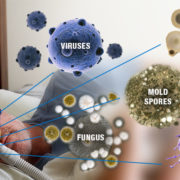
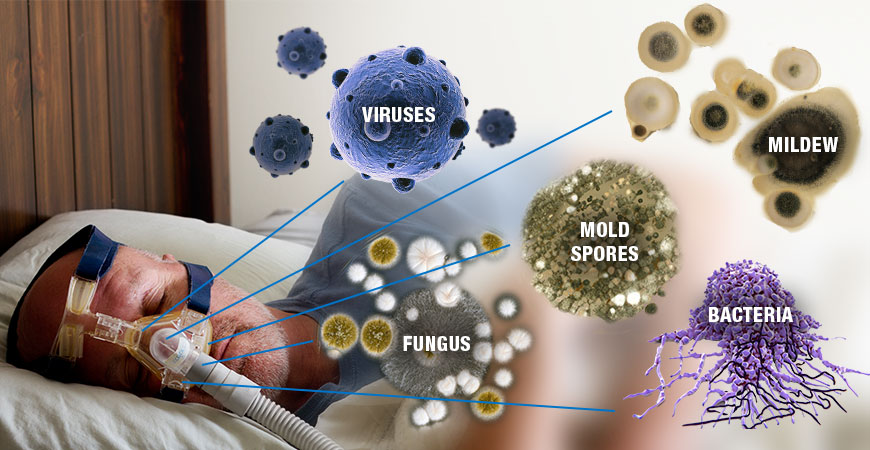
Every night, your CPAP mask, tubing, humidifier chamber, and filters are exposed to moisture, facial oils, skin cells, and airborne particles. Without regular cleaning, bacteria, mold, and other contaminants can build up over time, potentially affecting your breathing, comfort, and the effectiveness of your therapy.
At Comprehensive Sleep Care Center, we help patients throughout Northern Virginia, Maryland, Washington, DC, and Annapolis get the most from their sleep apnea treatment. A clean CPAP is a healthier CPAP.
Why Is CPAP Cleaning So Important?
A properly maintained CPAP system helps you:
Reduce Bacteria and Mold Growth
Warm, moist environments—especially inside humidifier chambers and tubing—can encourage bacteria and mold if not cleaned regularly.
Improve Air Quality
Clean equipment delivers cleaner air throughout the night, helping you breathe easier while you sleep.
Prevent Skin Irritation
Facial oils and bacteria can accumulate on your CPAP mask cushion, leading to:
- Skin irritation
- Acne breakouts
- Redness
- Mask leaks
Reduce Unpleasant Odors
Dirty tubing or humidifier chambers may develop unpleasant odors that can make therapy uncomfortable.
Improve CPAP Performance
Clean filters allow your CPAP machine to work efficiently and provide consistent therapy pressure.
Extend the Life of Your Equipment
Routine maintenance can help maximize the lifespan of:
- CPAP masks
- Tubing
- Humidifier chambers
- Filters
- Headgear
Replacing worn supplies on schedule also helps maintain optimal therapy.
General CPAP Cleaning Instructions
Always follow the cleaning recommendations provided by your CPAP manufacturer. Cleaning schedules and methods may vary depending on your specific machine and mask.
Daily Cleaning
After each use:
- Empty any remaining water from the humidifier chamber.
- Wash the mask cushion using warm water and mild soap.
- Rinse thoroughly.
- Allow components to air dry away from direct sunlight.
- Refill the humidifier only with distilled water before bedtime.
Weekly Cleaning
At least once each week:
- Wash the mask frame.
- Clean CPAP tubing.
- Wash the humidifier chamber.
- Clean headgear according to manufacturer instructions.
- Inspect filters for dirt or discoloration.
- Wipe down the exterior of the CPAP machine.
Allow all parts to dry completely before reassembling.
What Should You Clean?
Your routine should include:
- CPAP mask
- Cushion
- Tubing
- Humidifier chamber
- Headgear
- Reusable filters (if applicable)
- Machine exterior
Disposable filters should not be washed unless specifically instructed by the manufacturer.
CPAP Tips for Better Therapy
Use Distilled Water
Distilled water helps reduce:
- Mineral buildup
- White residue
- Humidifier damage
Avoid using tap water unless your manufacturer specifically states it is acceptable.
Replace Supplies Regularly
Even with excellent cleaning habits, CPAP supplies wear out over time.
Common replacement schedules (which may vary depending on your insurance plan and manufacturer recommendations) include:
- Mask cushions
- Full masks
- Tubing
- Filters
- Humidifier chambers
- Headgear
Your DME provider can help determine when you’re eligible for replacement supplies.
Let Everything Dry Completely
Moisture left inside tubing or the humidifier chamber can encourage mold or mildew growth.
Hang tubing so excess water drains out before reconnecting it.
Inspect Your Equipment Often
Check regularly for:
- Cracks
- Tears
- Loose connections
- Stretched headgear
- Cloudy humidifier chamber
- Worn mask cushions
Damaged equipment can lead to air leaks and reduced therapy effectiveness.
Travel with Your CPAP
If you’re traveling:
- Pack your CPAP in its travel case.
- Bring extra filters.
- Pack an extension cord if needed.
- Carry distilled water if available at your destination or purchase it after arrival.
- Bring cleaning wipes approved for CPAP use when washing isn’t convenient.
Never Share Your Equipment
CPAP equipment is intended for individual use only.
Avoid These Common Cleaning Mistakes
Do NOT:
- Use bleach.
- Use harsh household cleaners.
- Use alcohol-based cleaners on mask cushions.
- Put CPAP components in the dishwasher unless approved.
- Reassemble equipment before it is completely dry.
- Ignore manufacturer recommendations.
When Should You Replace Your CPAP Machine?
Many insurance plans cover a replacement CPAP machine approximately every five years if medically necessary. If your device is aging, making unusual noises, or no longer functioning properly, schedule a follow-up appointment with your sleep medicine provider to discuss your options.
Need New CPAP Supplies?
Fresh supplies help improve comfort, reduce mask leaks, and keep your therapy working effectively.
You can conveniently shop for many CPAP supplies and accessories online through CPAPSavings.com, or contact Comprehensive Sleep Care Center to discuss replacement equipment and insurance eligibility.
Better Sleep Starts with Better CPAP Care
Cleaning your CPAP may only take a few minutes each day, but those few minutes can make a significant difference in your comfort, health, and sleep quality.
If you have questions about your CPAP therapy, need replacement supplies, or think your equipment may need servicing, the team at Comprehensive Sleep Care Center is here to help.
With 11 convenient locations throughout Northern Virginia, Maryland, and Annapolis, we’re committed to helping you get the restful, healthy sleep you deserve.
Schedule an Appointment Today
If you’re experiencing problems with your CPAP therapy, need replacement supplies, or would like to discuss alternative sleep apnea treatments such as Oral Appliance Therapy, contact Comprehensive Sleep Care Center today.
📞 703-729-3420